

A Biosecurity Preparation Guide for Household Goods and Personal Effects
Australia has some of the strictest biosecurity controls in the world. Household goods and personal effects entering Australia are often assessed for customs and biosecurity clearance before they can be released for delivery.
If your shipment has been selected for examination then certain Items of biosecurity concern are checked for soil, seeds, insects, plant material, food residue and other organic matter. If any contamination is found, those items may need to be cleaned, treated, exported or destroyed at your cost. Storage and handling charges may also apply.
The good news is that many biosecurity problems are avoidable. If outdoor items like sports equipment, tools and other high-risk belongings are cleaned properly before they leave the UK, the clearance process can be much more straightforward.
This guide explains the items most commonly associated with biosecurity issues, what to look for, and how to prepare your belongings before they are packed and shipped to Australia.
Why Cleaning Matters Before Shipping to Australia
When your shipment arrives in Australia, it must clear customs and biosecurity before final delivery. Customs will first check your packing inventory to identify any items which may be inspected by Australian biosecurity officers. Check out the items below which are usually at the top of the list for examination.
Biosecurity officers will check for soil, seeds, plant material, insects, food residue or other organic matter. If any of these are found, the item may need cleaning, treatment, export or destruction. Any treatment, storage or handling costs are normally payable by the owner of the goods before they can pass through for delivery to your home.
This is why preparation before shipping is so important. Cleaning an item properly in the UK is usually much simpler, cheaper and less stressful than dealing with inspection delays or treatment charges after the goods have arrived in Australia.
Our packing teams regularly see the same problem items: bikes with mud in the tyre tread, golf clubs with soil in the grooves, garden tools that look clean at first glance, and vacuum cleaners that still contain dust and organic debris. These are simple things to deal with before collection, but they can become expensive and frustrating if found during clearance in Australia.
Items to Clean Before Shipping to Australia
Garden and Outdoor Furniture
Garden furniture is one of the highest-risk categories because it is exposed to soil, insects, leaves, seeds and plant material. Chairs, tables, sun loungers, parasol bases, planters and outdoor storage boxes can all collect debris in joints, fixings, hollow sections and undersides.
What to do before packing: Scrub all surfaces with a stiff brush and clean water. Pay particular attention to chair feet, table legs, hinges, hollow frames and any area that has been in contact with the ground. Remove leaves, cobwebs, insects and soil from all joints and crevices.
Fabric cushions should be washed and dried fully before packing. If the furniture is old, untreated, heavily weathered or difficult to clean properly, consider whether it is worth shipping.
Bicycles
Bicycles are commonly checked because soil and plant debris can collect in tyres, chains, gears, pedals, brakes and frame joints. Even a bike that looks clean from a distance can still hold mud or seeds in the tyre tread.
What to do before packing: Wash the whole bike thoroughly. Clean the tyres, wheel rims, spokes, chain, derailleur, pedals, brakes and frame. Use a brush to remove dirt from the tyre tread and around the moving parts. If the bike has recently been used off-road, take extra care.
This should be done a few days before moving day to allow the bike to dry fully before it is packed.
Golf Clubs and Golf Bags
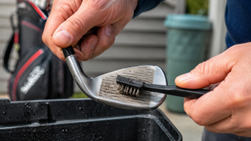
Golf equipment can carry soil, grass and plant material, especially in club head grooves and at the base of the golf bag.
What to do before packing: Clean every club head carefully, especially the grooves of irons and wedges. Wipe down the shafts and grips. Empty the golf bag completely, vacuum the inside, and check all side pockets. If the bag has been stored in a garage or shed, clean the outside and base as well.
Camping and Hiking Equipment
Tents, sleeping bags, rucksacks, walking boots, sleeping mats, camping chairs and cooking equipment can all attract biosecurity attention. Tents are particularly high risk because ground sheets, pegs, poles and guy ropes often carry soil, grass, leaves or insects.
What to do before packing: Shake out and vacuum tents thoroughly. Check the ground sheet, corners, pole bags, pegs and guy ropes. Wipe tent poles and clean any mud from pegs. Sleeping bags and fabric items should be washed where appropriate and dried completely before packing.
Rucksacks should be emptied, vacuumed and checked inside every pocket.
Boots and Outdoor Footwear
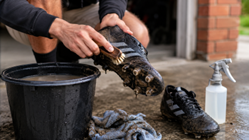
Footwear is one of the most obvious biosecurity risks. Hiking boots, walking shoes, football boots, gardening shoes, wellington boots, golf shoes and children’s outdoor shoes can all carry soil, seeds and plant material in the tread.
What to do before packing: Remove all soil from the soles using a firm brush. Wash the footwear thoroughly and inspect the tread carefully. Seeds, grass and small pieces of plant material can become lodged in deep grips, especially once mud has dried.
BBQs, Fire Pits and Outdoor Cooking Equipment
BBQs, smokers, fire pits, outdoor pizza ovens and similar items may contain ash, grease, food residue, charcoal fragments or organic material.
What to do before packing: Remove all ash, charcoal and food residue. Clean cooking surfaces, grates, burners, trays, lids and bases. Check vents, corners and crevices. If the item cannot be cleaned properly, it may be better not to ship it. Our MD Mike Harvey says “BBQ’s are one of the most selected items for biosecurity. We often see BBQ’s on our customers inventory and our advice is unless it is new and boxed then it is not normally worth the risk and should not be shipped. We often remove BBQ’s from a customers shipment to avoid biosecurity issues and will advise at time of packing and seek permission from the customer”
Vacuum Cleaners
Vacuum cleaners are easy to overlook, but they can contain dust, soil, plant fibres, pet hair, insect fragments and other organic material.
What to do before packing: Remove and discard the dust bag, or empty and clean the collection chamber. Clean or replace filters where possible. Wipe down the inside and outside of the vacuum cleaner, including the hose, head and attachments.
Do not pack a vacuum cleaner with dirt still inside it.
Garden Tools
Spades, forks, trowels, hoes, rakes, secateurs and other garden tools are obvious biosecurity risks because they come into direct contact with soil and plants.
What to do before packing: Remove all soil from blades, tines, handles and joints. Scrub with a stiff brush and clean water. Check where the blade meets the handle, as dirt often collects there. Dry the tools fully before packing.
If the tools are low value, rusty or difficult to clean properly, consider replacing them in Australia instead.
Wooden Items, Wicker, Cane and Natural Materials
Wooden garden furniture, untreated timber, wicker, rattan, cane, bamboo, driftwood, natural rope and decorative natural items may attract additional scrutiny. The main concerns are insect activity, bark, soil, seeds, plant material and untreated natural fibres.
Commercially manufactured indoor furniture is generally lower risk, but items that have been stored outdoors, kept in sheds or made from untreated natural materials should be checked carefully.
What to do before packing: Inspect wooden and natural-material items for insect holes, bark, soil, cobwebs and plant debris. Wipe surfaces clean. Avoid shipping items with active insect damage, untreated bark, signs of infestation or loose organic material.
If you are unsure, ask your move manager before packing the item.
Sports Equipment
Sports equipment can be a biosecurity risk depending on how it has been used and stored. Common examples include football boots, rugby boots, golf shoes, cricket pads, hockey sticks, climbing equipment, fishing gear, kayak paddles, tennis equipment and children’s outdoor sports items.
What to do before packing: Clean all equipment thoroughly. Remove soil, grass and organic material from boots, pads, sticks, handles, bags and protective gear. Equipment stored in garages, sheds or outdoor storage areas should be checked particularly carefully.
Patio Heaters and Outdoor Appliances
Patio heaters, garden lighting, outdoor electrical items and similar appliances can collect dust, cobwebs, insects and plant debris, especially if stored outside or in a shed.
What to do before packing: Clean all external surfaces. Check around the base, vents, housings, covers and openings. Remove cobwebs, insects, leaves and any loose organic material.
General Rules for Preparing Goods for Australian Biosecurity
If you are unsure whether something needs cleaning, apply these simple rules.
Has it been used outside?
If an item has been used outdoors, clean it carefully before shipping. This includes furniture, tools, footwear, toys, sports equipment, bikes and camping gear.
Has it been stored in a garage, shed or outbuilding?
Garages and sheds often contain dust, insects, cobwebs, leaves, soil and plant debris. Items stored in these areas should be checked even if they were not used outdoors.
Does it have tread, joints, crevices or hollow sections?
Soil and organic material often hide in places that are not visible at first glance. Tyre tread, shoe soles, tool joints, furniture legs, hollow frames and equipment bags should all be checked.
Is it made from natural materials?
Wicker, rattan, bamboo, cane, untreated wood, feathers, shells, natural rope and animal products may need extra care. Some items may be restricted or require treatment.
Is it worth shipping?
For low-value outdoor items, it may be cheaper and easier to replace them in Australia than to risk cleaning, inspection, treatment or storage charges.
What Happens if an Item Fails Biosecurity Inspection?
If an item is found to present a biosecurity risk, Australian authorities may require it to be cleaned, treated, exported or destroyed.
Treatment may include cleaning, fumigation or another approved process carried out in Australia. Storage, handling and treatment charges may apply, and these costs are usually payable before the goods are released.
A failed inspection can also delay final delivery. In some cases, only the affected item may be held. In other cases, the wider shipment may be delayed while the matter is resolved.
The best way to reduce this risk is to clean and prepare high-risk items before they are collected in the UK.
How 1st Move Helps You Prepare for Australia
Before your shipment leaves the UK, your move manager will guide you through the key customs and biosecurity requirements for Australia.
We can help you understand:
- which items may need cleaning before packing
- which items may be prohibited or restricted
- what information to include on your packing inventory
- the importance of the B534 customs form
- what documents are normally needed for customs clearance
- when it may be better not to ship a particular item
Our packing teams are trained to identify obvious biosecurity risks before items are wrapped and loaded. If they spot soil, plant material, outdoor contamination or other visible issues, they can flag this before the shipment leaves the UK. If we feel that any items should not be shipped your move manager will call you and discuss before removing any items from your shipment.
Every 1st Move shipment is professionally packed, inventoried and prepared for export. Our palletised packing system also helps keep your goods together as one protected shipment during the journey to Australia.
Quick Cleaning Checklist Before Shipping to Australia
Before your goods are packed, check the following:
- Remove soil from garden tools, bikes and footwear
- Clean tyre tread on bicycles and outdoor equipment
- Wash and dry outdoor furniture
- Empty and clean vacuum cleaners
- Remove ash, grease and food residue from BBQs
- Shake out and vacuum tents and camping gear
- Clean golf club heads and golf bags
- Check sports equipment for soil and grass
- Inspect wooden, wicker and natural-material items
- Remove cobwebs, insects, leaves and plant debris
- Make sure all cleaned items are fully dry before packing
- Ask your move manager if you are unsure about any item
This preparation can help reduce the risk of inspection delays, cleaning charges or treatment costs when your goods arrive in Australia.
Further Reading
Removals to Australia from the UK
Main guide to costs, shipping options, transit times and door-to-door removals to Australia.
Australia Customs and Biosecurity Guide
A guide to customs clearance, biosecurity inspection and documents for personal effects entering Australia.
Australia Customs & Quarantine: Prohibited & Restricted Items
Check common prohibited, restricted and high-risk items before packing your shipment.
Australia B534 Form Guide for Personal Effects
Our full guide on how to complete your unaccompanied personal effects statement when moving to Australia.
FAQs About Cleaning Items Before Shipping to Australia
Do I need to clean everything before shipping to Australia?
You do not need to deep-clean every household item, but anything used outdoors or stored in a garage, shed or garden should be checked carefully. Outdoor furniture, bikes, shoes, garden tools, sports equipment, camping gear, BBQs and vacuum cleaners are common items to clean before shipping.
What happens if my goods are dirty when they arrive in Australia?
If an item is found to contain soil, seeds, insects, plant material, food residue or other biosecurity risk material, it may need cleaning, treatment, export or destruction. Storage, handling and treatment charges may apply.
Are bikes inspected when shipped to Australia?
Bikes can attract biosecurity attention because mud and plant material often collect in tyre tread, chains, gears and pedals. Clean the whole bike thoroughly before packing, especially if it has been used off-road.
Should I ship garden tools to Australia?
You can ship garden tools, but they must be completely clean and free from soil, seeds and plant material. If the tools are low value or difficult to clean properly, it may be simpler to replace them in Australia.
Do I need to clean my vacuum cleaner before shipping?
Yes. Empty the dust bag or collection chamber, clean or replace filters, and wipe down the hose, head and attachments. Vacuum cleaners can contain dust, soil, plant fibres and other organic material.
Can I ship a BBQ to Australia?
You may be able to ship a BBQ, but it must be thoroughly cleaned. Remove ash, charcoal, grease and food residue from all surfaces, trays, burners, grates and vents. If it cannot be cleaned properly, it may be better not to ship it.
Who pays if an item needs treatment in Australia?
Treatment, storage, handling or destruction costs are normally payable by the owner of the goods. These charges are separate from your removals quote and are not usually covered by standard shipment protection.
Can 1st Move tell me what not to ship?
Yes. If you are unsure about an item, ask your move manager before collection. In many cases, a photo is enough for us to advise whether the item should be cleaned, declared, checked further or left behind.