


One of the most common questions from people planning a move to Australia is whether their UK electrical items will work when they get there. The short answer: Australian and UK plugs are not the same (Type I vs Type G), but both countries use 230V/50Hz, so the vast majority of your electricals will work perfectly in Australia with either a plug adapter or a simple plug change.
The more useful question, and the one this guide really answers, is: which items are worth shipping, which should you leave behind, and what do you need to know about plug changes, amp limits and customs requirements to avoid problems when shipping your electricals to Australia?
UK vs Australian Plugs: The Key Differences
Australian and UK plugs are not the same and are not physically compatible. You cannot plug a UK appliance into an Australian wall socket without an adapter or a plug change.
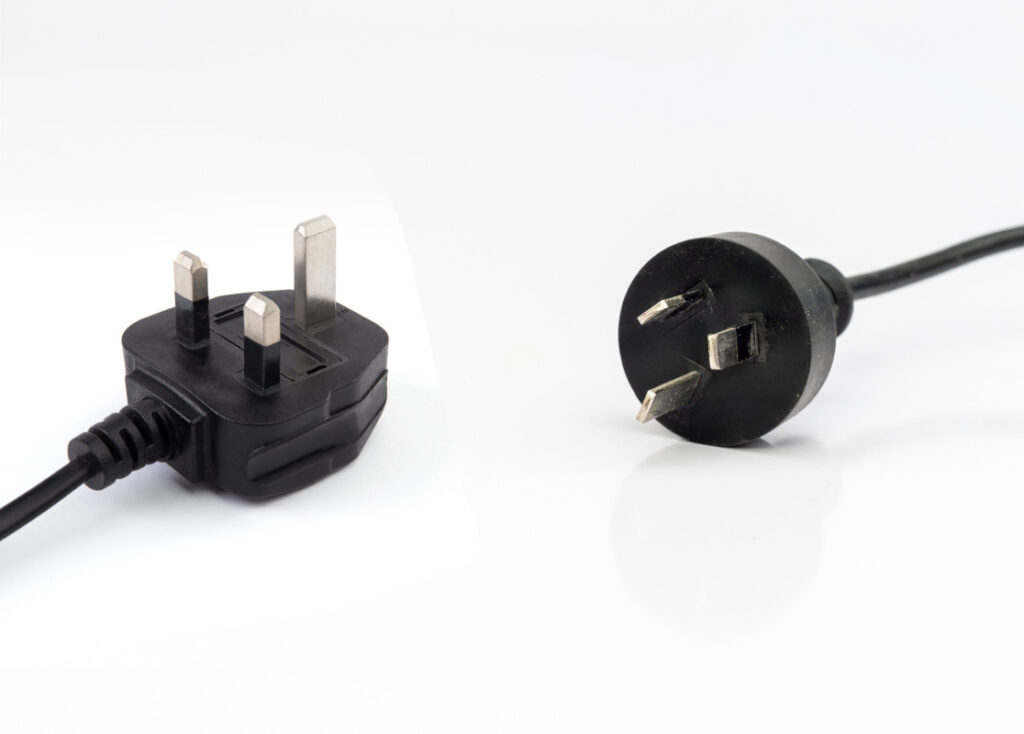
| Feature | UK (Type G) | Australia (Type I) |
|---|---|---|
| Pin layout | 3 rectangular pins in a triangle pattern | 2 flat angled pins + 1 vertical earth pin |
| Built-in fuse | Yes (typically 3A or 13A) | No |
| Maximum amps | 13A | 10A |
| Physical size | Larger and bulkier | Slimmer and more compact |
| Voltage | 230V | 230V |
| Frequency | 50Hz | 50Hz |
The identical voltage and frequency is the important point. It means your UK appliances will function electrically in Australia. The only physical barrier is the plug shape, and that’s easily solved.
The built-in fuse in UK plugs is worth noting. Australian plugs do not have individual fuses. Instead, Australian homes rely on circuit breakers and Residual Current Devices (RCDs) at the switchboard for protection. When you change a UK plug to an Australian one, you lose that individual appliance fuse, but you gain the protection of Australia’s RCD system, which is mandatory in modern Australian homes and arguably provides better overall safety.
2. Voltage, Frequency and the Amp Limit That Matters
Because both countries use 230V at 50Hz, there is no voltage compatibility issue for the vast majority of UK appliances. This is a significant advantage compared to moving to the US or Japan, where the lower voltage (110-120V) means many UK items simply won’t work.
However, there is one important electrical difference: the maximum amp rating.
UK sockets are rated for 13 amps, while Australian sockets are rated for 10 amps. This means any UK appliance drawing more than 10 amps (over approximately 2,300 watts) could potentially overload an Australian circuit.
How to check your appliance
Look at the label or rating plate on your appliance (usually on the back or underside). You’re looking for:
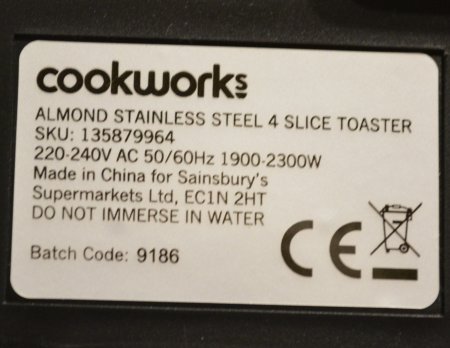
Safe to use in Australia with just a plug change or adapter:
- Rated 230V or 220-240V or 100-240V
- 10A or less
- Under 2,300W
Needs caution or may not be suitable:
- Rated above 10A
- Over 2,300W
- 110V only (would need a step-down converter, which is generally not practical for high-power items)
Most household items fall well under these limits. It’s mainly high-powered heating elements (large kettles, fan heaters, some hair dryers) that come close to or exceed the Australian amp limit.
Which UK Electricals Work in Australia?
The good news is that most of your UK electricals will work in Australia with nothing more than a plug adapter for short-term use, or an Australian plug fitted for permanent use.
Items that work with just a plug change
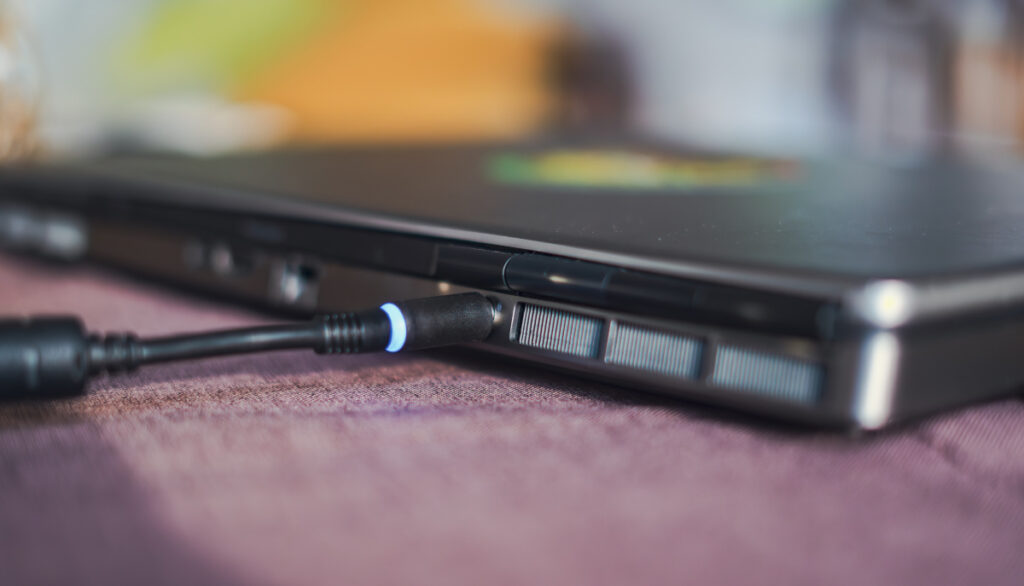
Electronics and computing: Laptops, desktop computers, monitors, printers, phone chargers, tablet chargers, gaming consoles (PS5 and Xbox are multi-voltage), TVs (most modern flat screens), routers, Bluetooth speakers and smart speakers.
Many of these use detachable IEC power leads (the figure-of-eight or kettle-style cable that plugs into the back of the device). For these, you don’t need an adapter or electrician at all. Just buy an Australian IEC lead for a few dollars and swap it out. This works for most computers, monitors, printers, TVs and game consoles.
Kitchen items (under 10A): Rice cookers, slow cookers, food processors, blenders, compact toasters (check the rating), stand mixers, bread makers, coffee pod machines and small espresso machines.
Personal care: Electric toothbrush chargers, electric razors, hair straighteners (most are dual voltage, but always check the label).
Cleaning: Vacuum cleaners (most modern ones are well under 10A), robotic vacuums, steam mops (clean and dry thoroughly before shipping).
Other: Lamps (you may need to change the bulb fitting), sewing machines, fans, dehumidifiers, electric blankets (check the rating plate).
Items that need checking first
These commonly sit near or above the 10A threshold. Check the rating plate before deciding:
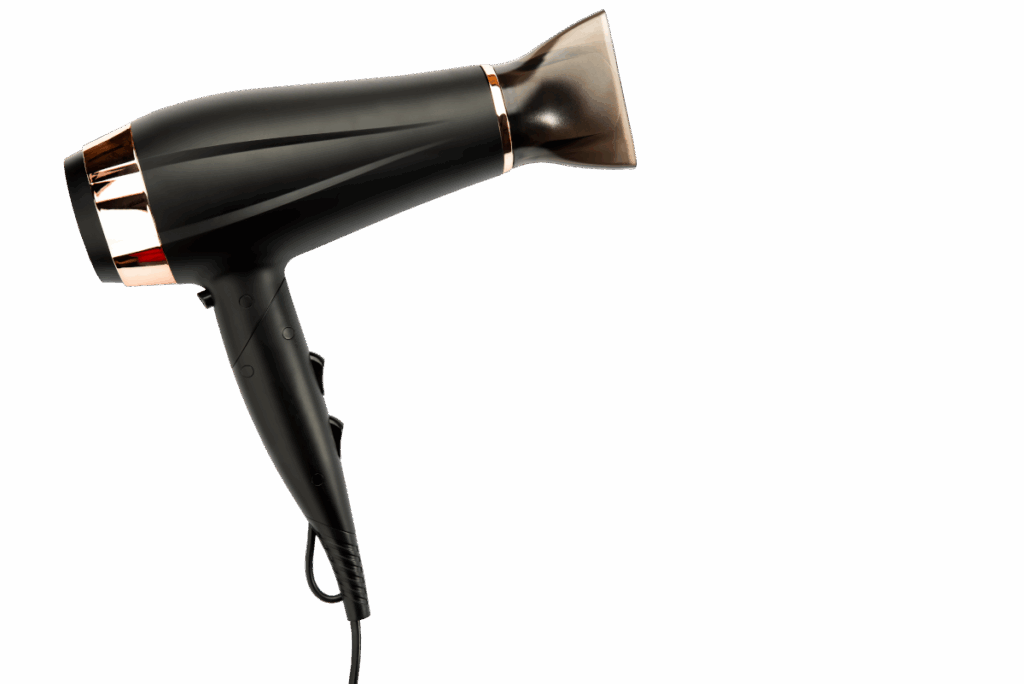
Hair dryers: Many UK hair dryers draw between 8A and 13A. Lower-wattage travel or professional models rated under 2,300W are fine. High-powered models (2,400W+) will exceed the Australian limit.
Microwaves: Compact models are usually fine. Larger combination microwaves can draw more than 10A. Check the label, but if yours is a standard 800-900W model, it will be well within limits.
Dyson Airwrap and similar styling tools: Most are dual voltage (100-240V) and well under 10A. Check the specific model, but they’re generally fine with an adapter.
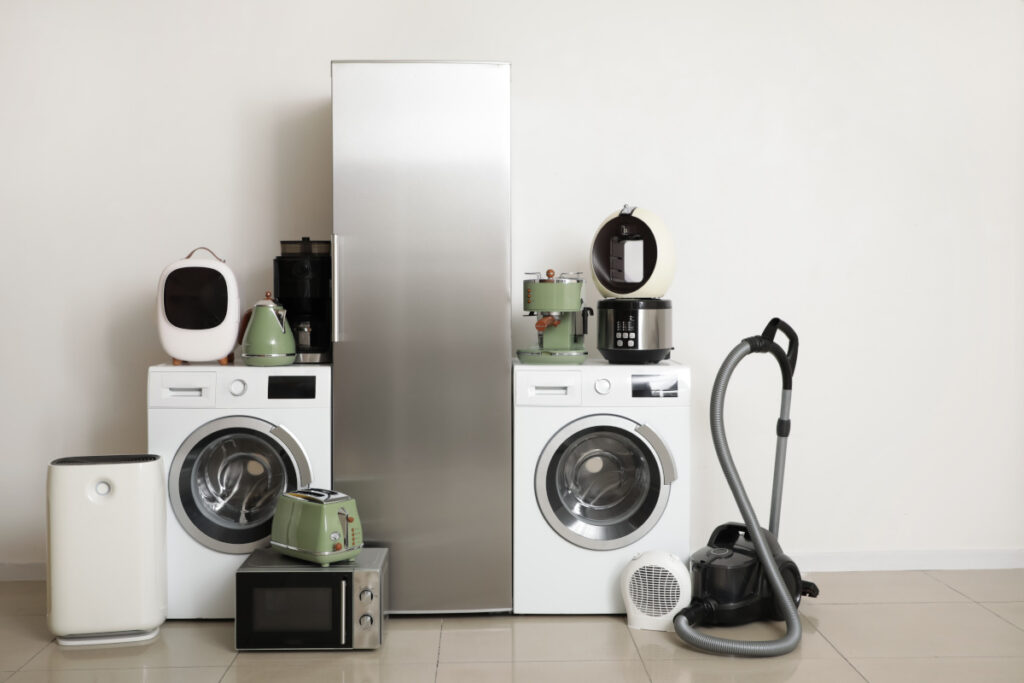
White goods (fridges, washing machines, dishwashers, tumble dryers): These are almost always under 10A and work perfectly in Australia once an Australian plug is fitted. Fridges typically draw 1-2A, washing machines 2-5A, and dishwashers around 10A. These are often well worth shipping because of the high replacement cost in Australia.
What’s Likely Not Worth Shipping
Some items are either incompatible, impractical or simply cheaper to replace in Australia.
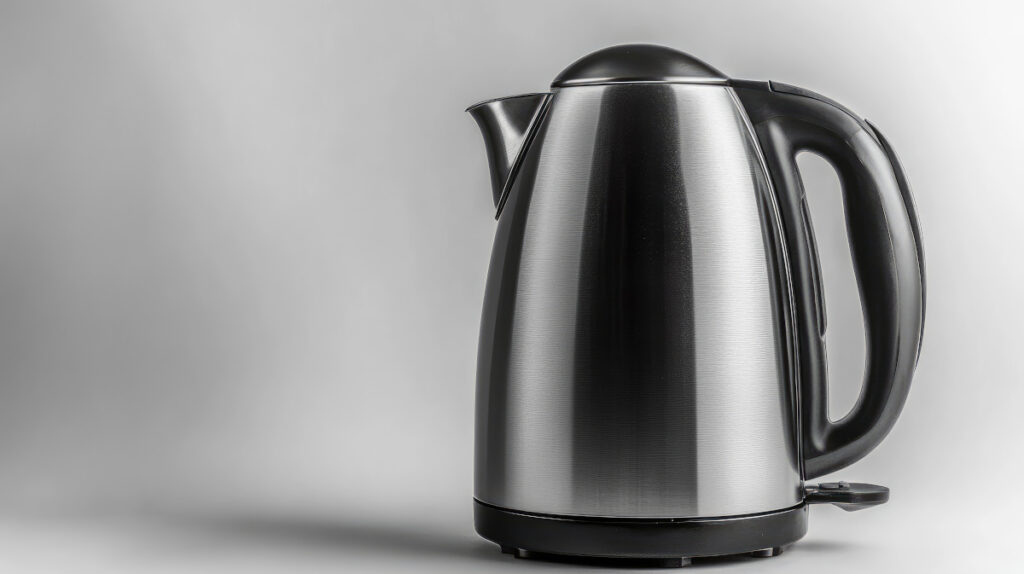
Full-size kettles: Most UK kettles are 3,000W (13A), which exceeds Australia’s 10A socket limit. Australian kettles are designed to work within the 10A limit (typically 2,200W), meaning they boil more slowly but are safe for Australian wiring. A decent kettle costs A$30-80, so this is an easy replacement.
Fan heaters and electric radiators: Many draw 2,400W or more (above 10A). Cheap to buy in Australia and not worth the shipping weight.
Hardwired appliances (ovens, hobs, some towel rails): These need professional installation regardless of where they were made. If you’re shipping a high-end range cooker that would cost thousands to replace, it may still be worth it, but standard built-in ovens are generally better replaced.
Old or cheap small appliances: If a toaster, kettle or iron cost under £30 new, the shipping cost and plug change cost will likely exceed the replacement cost in Australia.
Anything 110V only: Items designed for the US or Japanese market (110-120V) will not work in Australia without a step-down transformer, which is bulky, expensive and not recommended for high-power items.
Ship and Rewire vs Buy New: A Practical Cost Comparison
One of the most practical decisions when moving to Australia is whether to ship your existing appliances or buy new ones on arrival. Here’s how the numbers typically work out.
Cost of changing a UK plug to Australian
Changing a plug is a straightforward job. An Australian electrician will typically charge a call-out fee of A$80-120 plus A$10-20 per plug after that. So if you have 10-15 appliances that need plug changes, you might pay A$200-350 for the lot in a single visit.
For appliances with detachable IEC leads (computers, monitors, TVs, printers, game consoles), you can simply buy an Australian power lead for A$5-15 each. No electrician needed.
When shipping and rewiring makes sense
White goods are the clearest case. A mid-range fridge in Australia costs A$800-2,000. A washing machine runs A$600-1,500. If you have quality appliances in good condition, shipping them and paying for a plug change is almost certainly cheaper than replacing them, even after factoring in shipping costs.
The cost of shipping furniture and personal effects to Australia starts from around £670 for a small shipment (shared container). Your electricals travel alongside your other belongings, so you’re not paying separately for each item.
When buying new makes sense
For items under A$100 to replace (kettles, toasters, irons, basic hair dryers), buying new in Australia is usually more practical. You avoid the weight in your shipment, get an appliance designed for Australian standards, and typically get a local warranty.
Adapters, Converters and IEC Leads
Plug adapters (Type G to Type I)
A simple plug adapter costs A$3-10 and lets you plug any UK appliance into an Australian socket immediately. This is fine for short-term use, for items that are moved around (phone chargers, laptop chargers, shavers), and for anything well under 10A.
For permanent use with higher-draw appliances, getting the plug changed is a better long-term solution. Adapters can work loose over time, and running a fridge or washing machine through an adapter indefinitely is not ideal.
Voltage converters
You generally do not need a voltage converter for UK appliances in Australia. Both countries use 230V/50Hz.
You would only need a converter if you’re trying to use a device designed for a different voltage:
- 100-240V (dual/multi-voltage): Works everywhere. Just needs a plug adapter. Common on phone chargers, laptop chargers and many small electronics.
- 220-240V: Designed for UK/Australian voltage. Works in both countries with a plug change.
- 110-120V only: Designed for the US/Japan. Would need a step-down transformer to use in Australia, which is bulky and not recommended for high-draw items.
IEC leads: the easiest solution for many devices
Many electronics use a standard detachable power cable called an IEC lead. If your device has one of these, you don’t need an adapter or an electrician. Just buy an Australian IEC lead (available at any electronics retailer or hardware store for a few dollars) and swap it in.
Common appliances with IEC leads include: desktop computers, monitors, printers, TVs, game consoles, some audio equipment and some kitchen appliances like rice cookers.
There are two common IEC connector types: the C13/C14 (the rectangular “kettle-style” connector, used on desktop PCs and larger devices) and the C7/C8 (the figure-of-eight connector, common on TVs, laptops and smaller electronics). Both are available cheaply in Australia.
Customs and Biosecurity Requirements for Electrical Items
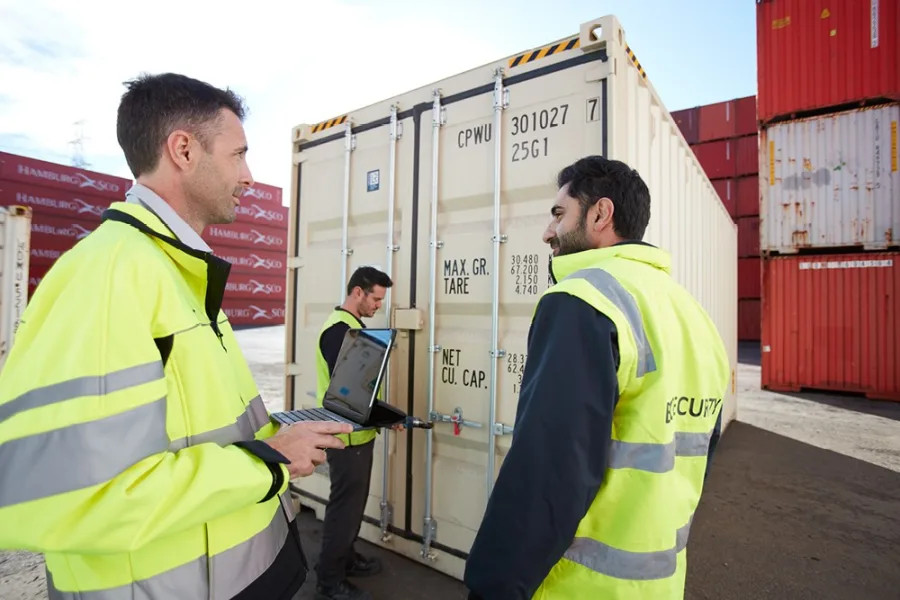
All electrical items in your shipment must be declared on your packing inventory. There are no special import duties on used personal electrical items (provided you’ve owned and used them for more than 12 months), but there are biosecurity considerations.
Australia’s Department of Agriculture, Fisheries and Forestry (DAFF) takes biosecurity very seriously. Electrical items that may have come into contact with soil, food residue or organic matter will be inspected. Common items that attract attention include:
- Vacuum cleaners: Remove bags, empty canisters, and wipe all surfaces clean. Pay attention to brush heads and hose interiors.
- Lawnmowers and garden equipment: These must be thoroughly cleaned and completely free of soil, grass and plant matter. This is one of the strictest biosecurity categories.
- Kitchen appliances: Clean fridges, ovens, microwaves and toasters thoroughly inside and out. Remove all food residue.
- Air conditioners and dehumidifiers: Drain all water and clean filters.
Failing to clean these items properly can result in quarantine holds, additional cleaning fees, or items being destroyed. It’s much easier to clean everything thoroughly before shipping than to deal with biosecurity issues on arrival.
For a complete guide to what you can and cannot ship to Australia, see our Australia customs and prohibited items guide.
Warranties and Australian Safety Standards
It’s worth being aware of a few practical points around warranties and standards:
UK warranties will not be honoured in Australia. Manufacturers generally limit warranty coverage to the country of purchase. If your UK appliance develops a fault after arriving in Australia, you won’t be able to claim on the original warranty. This is another reason to avoid shipping cheap or aging appliances that are more likely to fail.
Australian safety approval marks: Australian electrical products carry a Regulatory Compliance Mark (RCM) or the older approval mark showing compliance with AS/NZS standards. Your UK appliances won’t have these marks, but this is not an issue for personal use. You are permitted to use your own imported appliances in your home. However, if you ever sell an appliance in Australia, the lack of Australian approval marks could be a consideration.
Shipping Your Electricals with 1st Move International
We ship electrical items to Australia every week as part of our door-to-door removals to Australia service. Every item is professionally export-packed and palletised to protect it during the sea voyage.
Our team can advise you during the quoting process on which items are worth shipping and which might be better replaced on arrival. We handle all customs documentation and can guide you through Australia’s biosecurity requirements so your shipment clears smoothly.
Get a free quote for your move to Australia, or call our team on 0800 389 0784.
Related Guides
- Removals to Australia: Costs, Shipping Times and Services
- Shipping Furniture and Personal Effects to Australia
- Australia Customs: Prohibited and Restricted Items
- Moving to Australia from the UK: The Ultimate Guide
- How Much Does It Cost to Move to Australia?